

A stay at Ca' d'Alfieri is all about relaxation and a "detox" experience from noise, traffic and constant connectivity. Our aim is to provide the conditions for a truly restorative break.
Nature does its part, our rooms are welcoming and carefully thought out down to the finest detail, and in the kitchen we strive to make the most of our own produce, preparing it in original and creative ways.
Is that enough? For many guests, yes — but for others, doing and seeing are an essential part of achieving total wellbeing. We are in a valley so beautiful and full of things to discover that it would be a shame not to explore it.
There is no shortage of suggestions, and they are easily found on the websites of local tourist offices and associations active in the area. We highlight a few "must-sees" below, and you will find others described in our guestbook "Welcome to Ca' d'Alfieri", available to all agritourism guests.
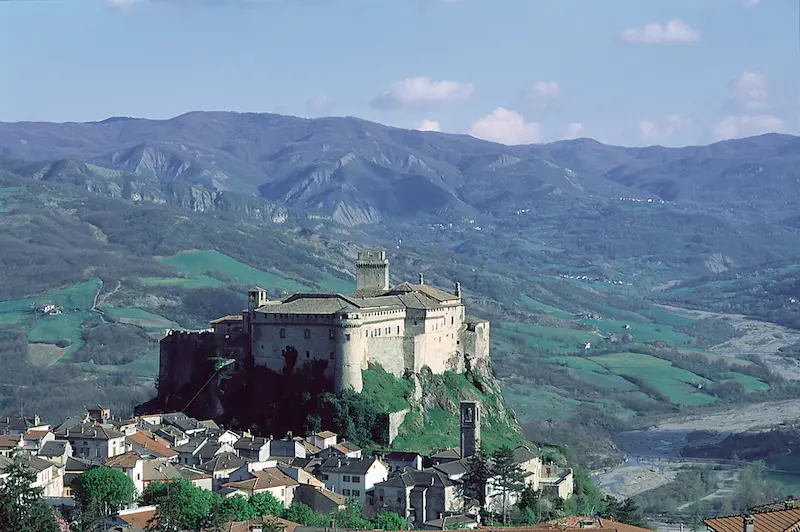
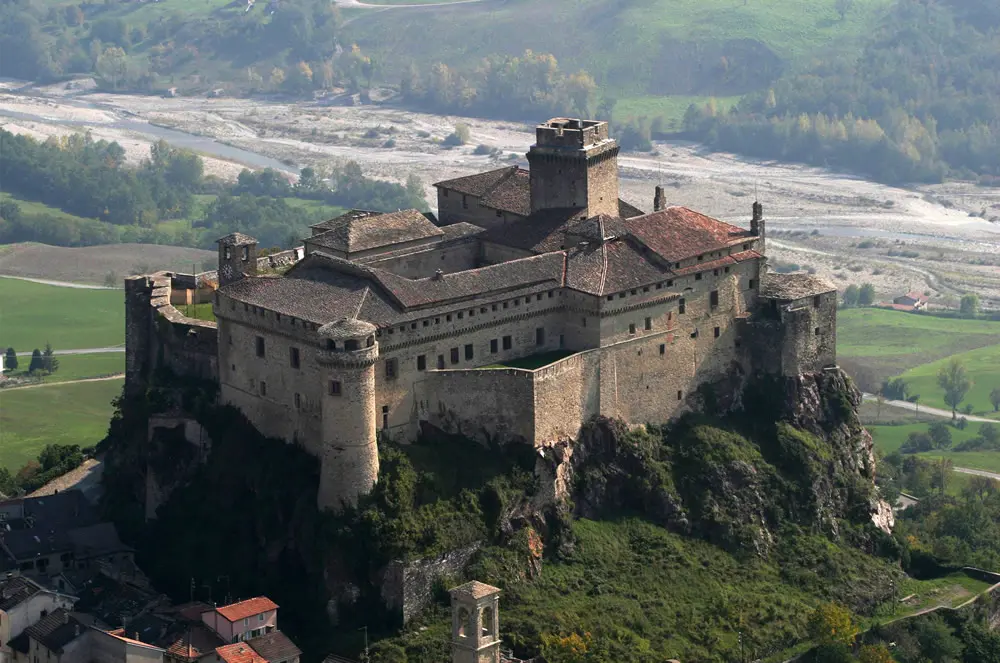
The small village of Bardi is well worth a visit: it is dominated by an imposing castle perched on a spur of red jasper. A stroll along the narrow paved lanes, a view of the castle, the Oratory of San Francesco, and the shops and restaurants that bring the streets to life are all highlights.
In the main square, inside the Church of Santa Maria Addolorata, hangs an early work by Parmigianino: "the Bardi Altarpiece", a tempera painting on panel (203×130 cm) dating to 1521. Unfortunately it is often on loan to temporary exhibitions and may not be on display.
The centre of Bardi is 10 km from our agritourism. For castle lovers, we also recommend Compiano Castle, 30 km from Ca' d'Alfieri — about 45 minutes by car.
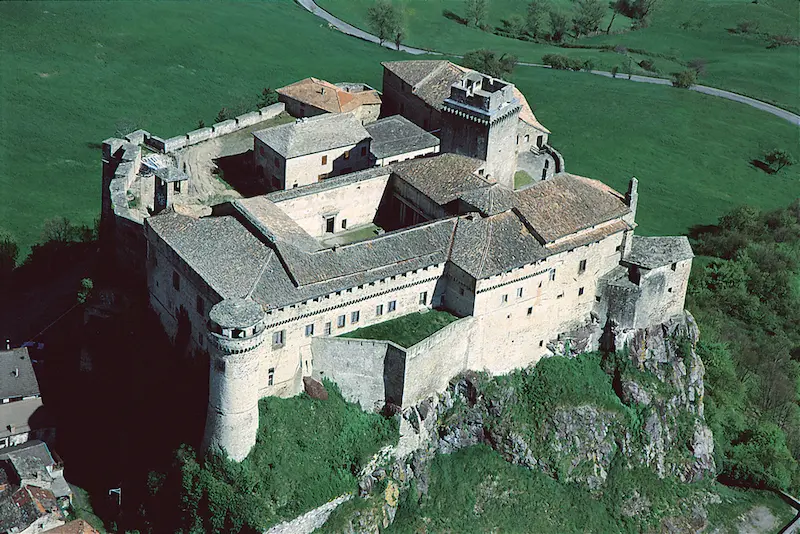
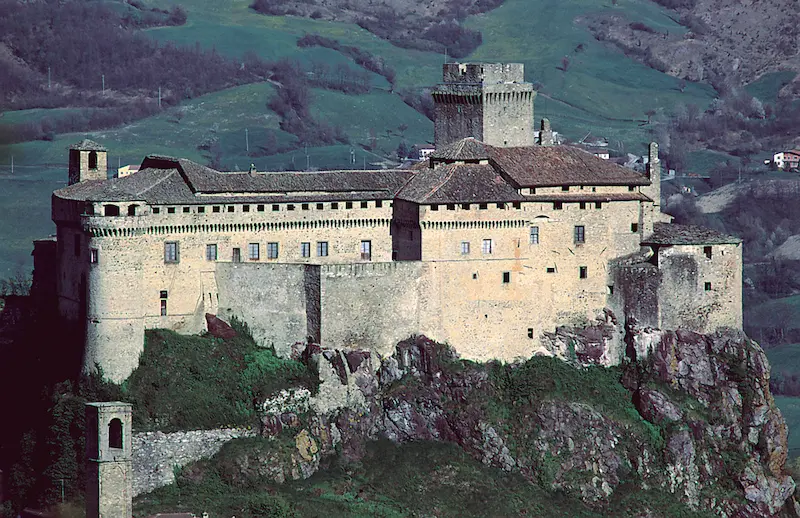
From the mid-thirteenth century and for over four centuries, the fortress of Bardi belonged to the Landi family, Renaissance princes who even minted their own coins under imperial licence. Towards the end of the sixteenth century, part of the fortress was converted into an exclusive aristocratic residence.
Well worth admiring are the battlements, towers, parade ground, the porticoed courtyard of honour, the well, the ice house, the granaries, the dungeons and the torture chambers.
The former soldiers' quarters now house the Museum of "Valley Civilisation". Inside the fortress you can also admire the recently restored Hall of the Princes and the new Museum of Wildlife and Poaching.
Opening hours and information: www.castellodibardi.info
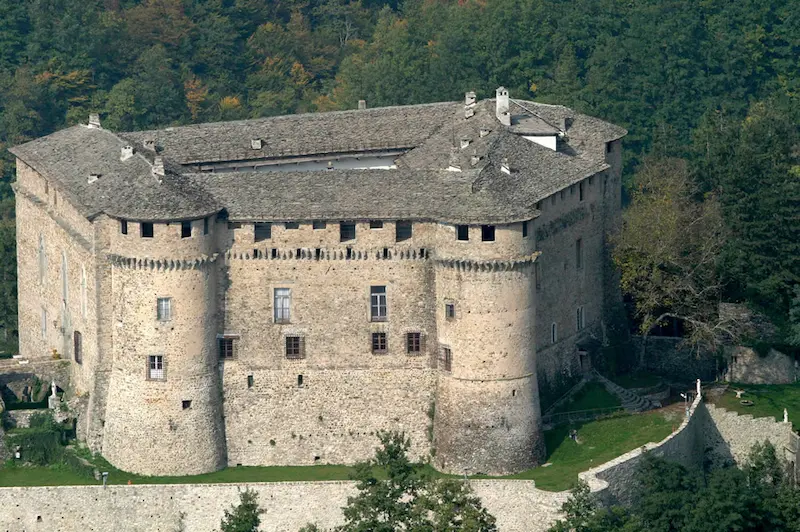
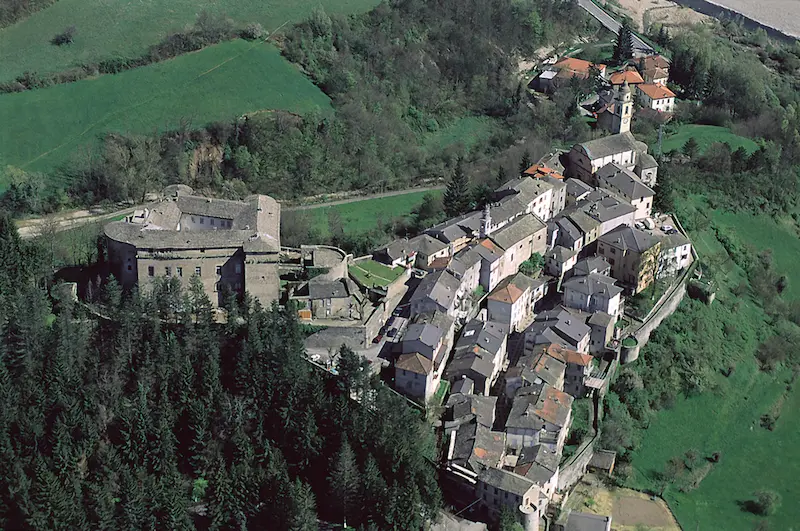
From the valley floor of the upper Val Taro, the eye is drawn to a hilltop: Compiano, with its ancient village — a member of the Club of Italy's Most Beautiful Villages — and the castle rising just above it.
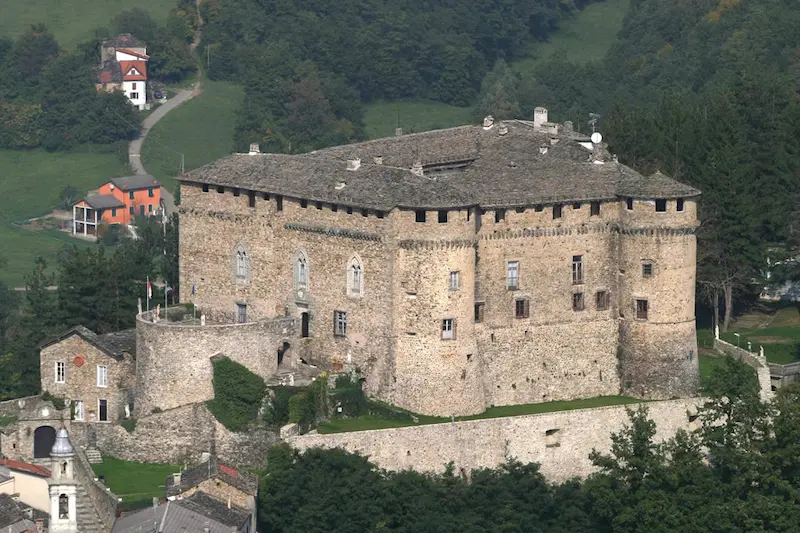
A mighty fortress with three circular Piacenza-style towers and one square tower, the oldest, which once housed the dungeons. Arriving is an experience in itself: the entrance arches, the garden and walls, the statues, the ravelin offering panoramic views of the Apennines.
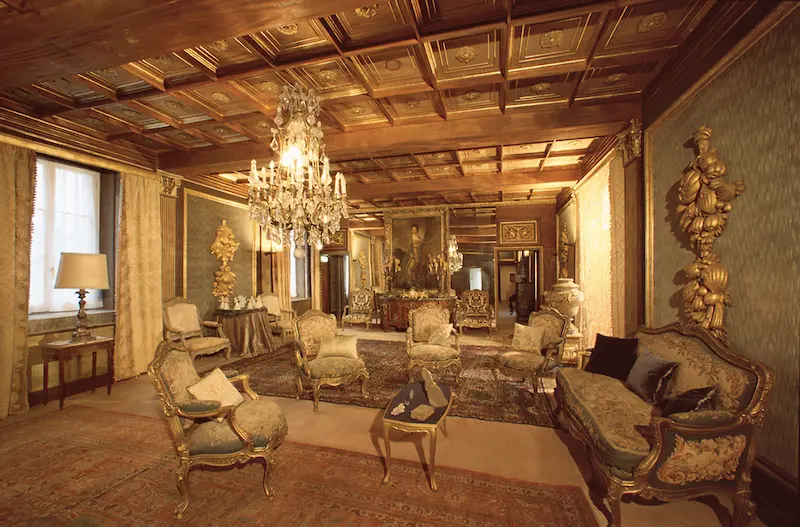
The guided tour includes the furnished rooms of the Marchesa Gambarotta: the library, the College chapel, the study, the bedroom, and the fascinating salons dedicated to the Orient and to Music.
The tour concludes at the International Masonic Museum: the only one in Italy, housing a rich collection of Anglo-Saxon Masonic objects from the last 300 years, ceremonial regalia, valuable artefacts, and even a reconstructed Masonic temple.
Opening hours and information: www.castellodicompiano.com
In the Val Noveglia there are more footpaths than roads! Many are marked and mapped by the CAI (Italian Alpine Club) and local hiking guide associations; others are known and used by locals. Trails for walking, mountain biking, and some tracks suitable for motorcycles too.
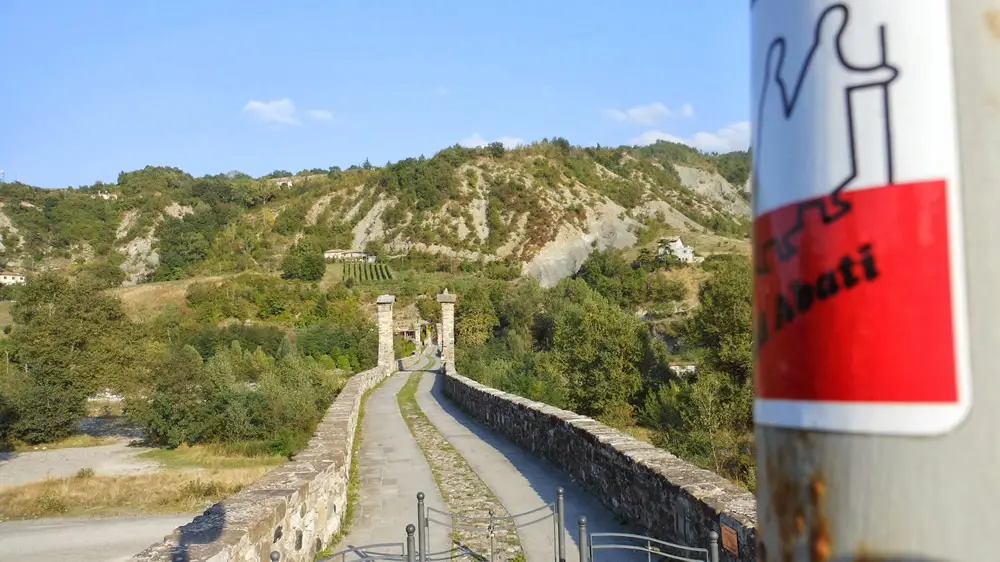
We especially recommend two that are close to our hearts: La Via degli Abati for the historical significance of the route, and Il Sentiero Ritrovato — a circular trail partly restored by us — which starts right from our agritourism.
A journey from Pavia to Pontremoli, following in the footsteps of the Abbots of San Colombano — from the Po plain, across the Piacenza and Parma Apennines, and into the Lunigiana region, through quiet woodland and along ancient drove roads.
La Via degli Abati is a mountain route used since the 7th century by Lombard kings who, setting out from Pavia via Bobbio, travelled it to reach Rome and their possessions in central Italy.
The landscape is rich in historical and religious heritage, as well as semi-abandoned villages and unspoilt nature with breathtaking views.
Our agritourism is 500 m from the route and can be reached via a very short detour. Advance booking is required for this service.
All information about the route, stages, accommodation and refreshment stops is available at www.viadegliabati.com.
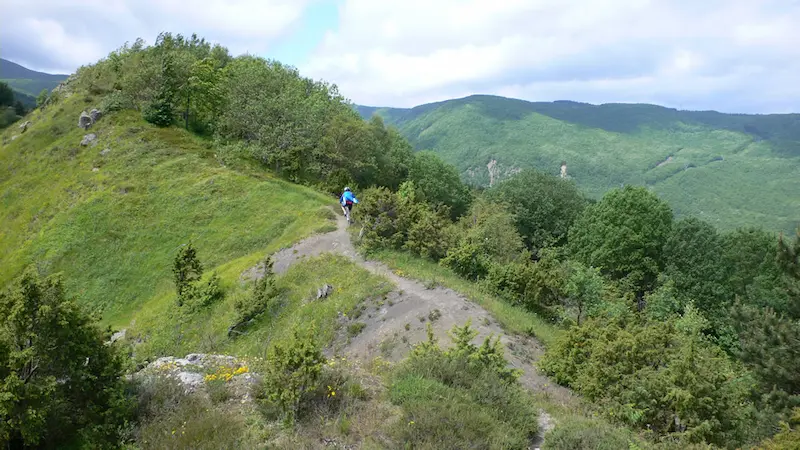
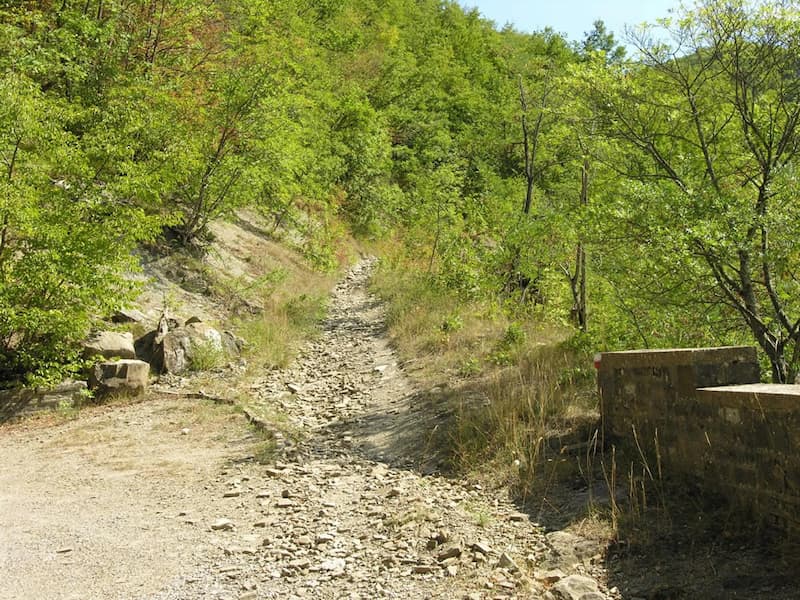
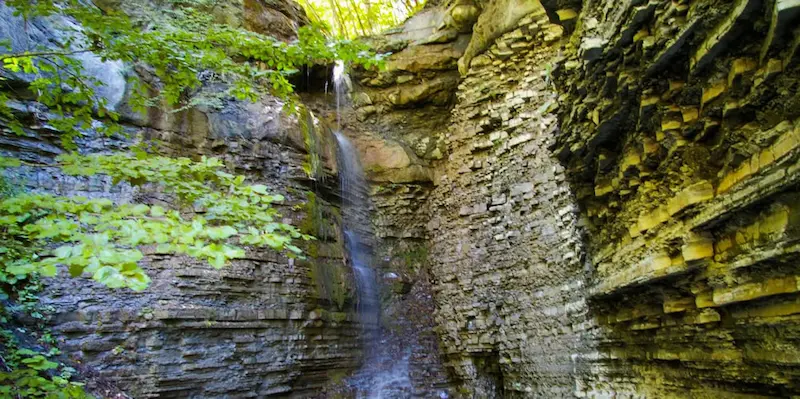
A circular hike that starts and ends at Ca' d'Alfieri, offering simultaneous views from the summit of Pizzo d'Oca across Val Noveglia, Val Ceno, and the thousand-year-old Bardi fortress.
A lovely circular route starting from Agritourism Ca' d'Alfieri that crosses La Via degli Abati, the Apennine Bridle Trail and several CAI paths multiple times before returning directly to Ca' d'Alfieri.
Ancient tracks that once connected small communities in the valley, now cleared and reopened for a beautiful hike through centuries-old chestnut woods, oak forests, stone structures, paved paths and dry-stone walls. The trail climbs to 1,000 metres to reach the sandstone ledge of Pizzo d'Oca, with a spectacular 360° view over Val Noveglia, Val Ceno and Bardi Castle.